
Introduction to Hub Motors
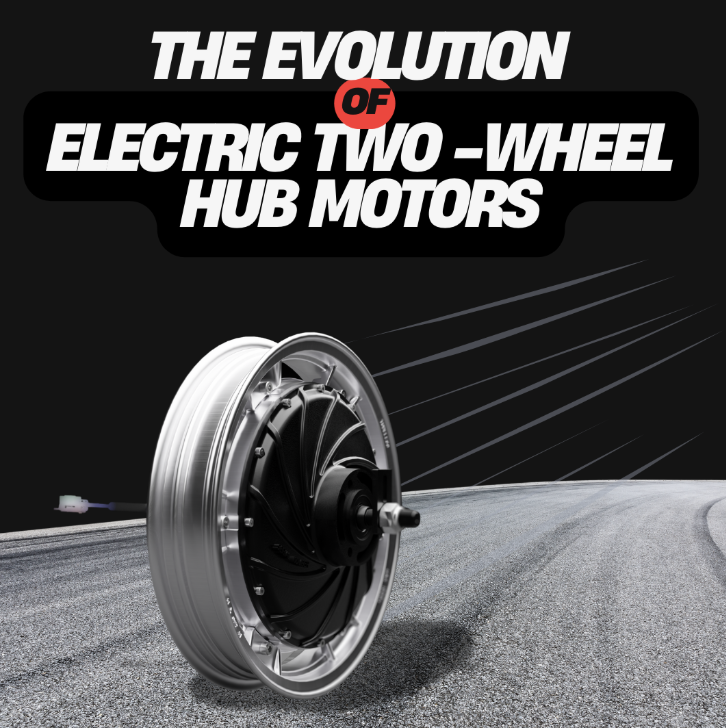
The hub motor is the backbone of modern electric two-wheelers. It eliminates the need for traditional chains or belts, offering a compact, efficient, and powerful alternative. This revolutionary technology has changed urban mobility by making electric scooters and bikes more accessible and sustainable. Brands like BNC Motors have leveraged this technology to develop high-performance and eco-friendly two-wheelers, catering to the growing demand for efficient electric transportation.
Why Hub Motors were created?
As the demand for clean and cost-effective transportation grew, engineers sought a solution that reduced mechanical complexity while increasing efficiency. Hub motors were designed to provide direct power to the wheel, reducing energy loss and maintenance costs. The goal was to create a more reliable and seamless riding experience, as seen in BNC Motors' S110 electric two-wheeler and S125 electric two-wheeler, which offer high efficiency and smooth rides.
How Hub Motors Came to Life
The development of hub motors dates back to the late 19th century, with early concepts introduced for electric bicycles. However, it wasn’t until the 21st century that advancements in battery technology and power electronics made them a practical solution for electric two-wheelers. Companies like BNC Motors (Bharat New Energy company), have been at the forefront of this evolution, integrating Lithium Ferro Phosphate battery operated two-wheeler technology with their Etrol battery manufacturer expertise to enhance performance and sustainability.
Who Benefited from the Hub Motor Boom?
The biggest beneficiaries of hub motor technology are urban commuters, delivery riders, and eco-conscious travellers. Electric motorcycles and scooters have become the go-to option for those seeking cost-effective and eco-friendly two-wheelers. Manufacturers like BNC Motors Coimbatore have gained an edge by offering the best electric bikes and scooters, ensuring low maintenance and high performance. Government also is supportive of this shift, promoting cleaner transportation alternatives to reduce emissions and traffic congestion.
The Necessity of Hub Motors in Electric Vehicles
Hub motors are essential because they enhance energy efficiency while minimizing mechanical wear. Traditional chain-driven systems suffer from power loss due to friction, whereas hub motors deliver torque directly to the wheels. This direct-drive mechanism improves acceleration, reduces noise, and increases overall reliability. BNC Motors vehicles, such as the Challenger that operates with Etrol two-wheeler, showcase how modern engineering optimizes power transmission for better performance.
Advantages of Hub Motors
Compact Design: Integrated within the wheel, freeing up space for battery storage.
Low Maintenance: Fewer moving parts mean reduced wear and tear.
High Efficiency: Direct power transmission minimizes energy loss.
Silent Operation: No chain or belt noise, making the ride smooth and quiet.
Instant Torque: Provides rapid acceleration, ideal for city commuting.
Eco-Friendly: Reduces dependence on fossil fuels, lowering carbon emissions.
Conclusion
Hub motors have revolutionized the electric two-wheeler industry by making vehicles more efficient, quiet, and easy to maintain. While they have some limitations, their benefits outweigh the drawbacks, making them a popular choice for manufacturers and consumers alike. As technology advances, hub motors will continue to evolve, further improving the future of electric mobility. BNC Motors, a leader in the electric two-wheeler segment, continues to push innovation in this space, ensuring that their two-wheelers made in Coimbatore set new benchmarks in performance and sustainability. To explore more, visit the Bharat New-Energy company website and discover the future of electric mobility today!